How Vape Contact Works in Singapore’s Online Retail Scene
hiddenpavora.com >> Retail>> How Vape Contact Works in Singapore’s Online Retail Scene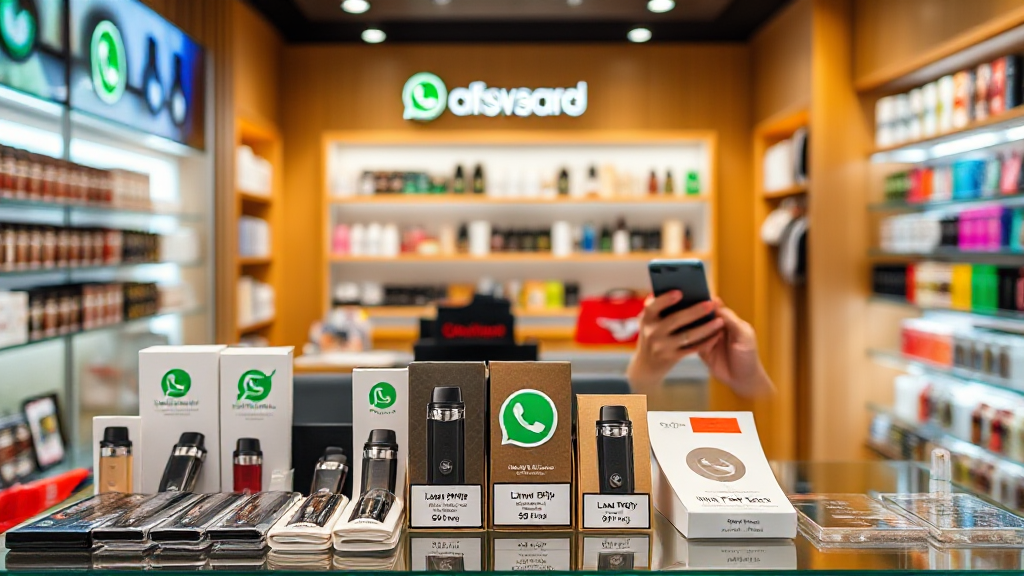
How Vape Contact Works in Singapore’s Online Retail Scene
How Vape Contact Works in Singapore’s Online Retail Scene
In Singapore, most vape purchases do not begin with a checkout page. They begin with a message. That single observation explains a great deal about how the local online retail scene actually functions. A buyer opens a chat window, types a question, waits for a reply, and only then does a transaction start to take shape. For anyone trying to understand the singapore lana vape market in particular, the contact layer is not a side detail. It is the front door.
This is a background explainer rather than a buying guide. The goal is to map how contact channels evolved, why WhatsApp became the default, how shops triage the messages they receive, and what that flow means for an ordinary adult buyer who just wants a straight answer about stock, flavours, or timing.
Why Messaging Became the Front Door of Vape Retail
Singapore’s online retail culture has always leaned conversational. Long before vape products were widely discussed online, local sellers in many categories ran their operations through chat apps. Part of this is practical: chat is fast, it feels personal, and it lets a seller confirm details that a static product page cannot. Part of it is cultural. Singaporean buyers are comfortable asking before they commit, and sellers are comfortable answering in real time.
For vape retail specifically, several forces pushed messaging to the centre. Product availability shifts quickly, so a listing can go stale within hours. Flavour preferences are highly individual, which invites questions. Delivery windows matter to people who want an item the same day. And because the category carries regulatory sensitivity in Singapore, sellers tend to keep public information minimal and handle specifics privately. The result is a retail model where the conversation is the catalogue.
This is why a shop’s contact channel often tells you more about its operation than its homepage does. A responsive chat line suggests live stock and active fulfilment. A slow or vague one suggests the opposite. Buyers learn to read these signals quickly, and experienced ones treat the first reply as a preview of the entire transaction.
The Channels Buyers Actually Use, and How They Differ
WhatsApp dominates, but it is not the only route. Most established shops run a primary chat line, sometimes a secondary number, and occasionally a Telegram channel for announcements. Email exists but is rarely the first choice, because email feels like a formal request while chat feels like a conversation. Social media direct messages are common too, though they often funnel into the same WhatsApp queue behind the scenes.
The practical difference between channels comes down to speed and context. WhatsApp supports quick back-and-forth, image sharing, and voice notes, which makes it ideal for confirming a device model or a flavour. Telegram suits broadcast updates about restocks. Instagram DMs work well for discovery but tend to be slower for transactions. A buyer who wants vape delivery singapore residents rely on usually heads straight to the fastest channel rather than the most polished one.
There is also a trust dimension. A chat thread creates a record. Buyers can see how a seller writes, how quickly they respond, and whether they answer the actual question. Over time, this builds a reputation that spreads by word of mouth rather than advertising. In a market where public listings are deliberately understated, word of mouth carries unusual weight.
Shops that handle this well tend to standardise their replies. They greet, confirm the product, confirm availability, state the delivery window, and ask for the address only once the buyer commits. That sequence is not accidental. It reduces back-and-forth and protects both sides from wasted time.
How Shops Triage Enquiries Behind the Scenes
From the outside, a chat reply looks instant. From the inside, it is usually the end of a short triage process. A typical shop sorts incoming messages into a few buckets: stock checks, flavour questions, delivery timing, payment confirmation, and after-sales issues. Each bucket has a different urgency. Stock checks and delivery timing get answered first because they are time-sensitive. Flavour questions take longer because they invite discussion. After-sales issues get escalated to a different person entirely.
This is where the difference between a well-run shop and a casual one becomes visible. A well-run operation keeps a live inventory list open beside the chat window, so answers are accurate rather than hopeful. It uses saved replies for common questions but personalises the final confirmation. It knows which courier is running that afternoon and can say so plainly. A casual seller, by contrast, often checks stock after the buyer asks, which introduces delay and uncertainty.
Buyers can learn to recognise the pattern. If a reply arrives quickly and includes a specific delivery window, the shop is likely operating with real-time information. If the reply is vague or asks the buyer to check back later, the shop may be working from memory. Neither is necessarily dishonest, but the first is far easier to transact with.
Some shops also use the chat to manage expectations around authenticity and packaging. Questions about whether a device is genuine, how it will be packed, and whether the parcel is discreet are common. A shop that answers these directly is signalling that it has handled them many times before. This is the kind of operational detail that a lana vape shop regular tends to notice within the first few messages.
What the Contact Flow Means for Buyers
For a buyer, the practical takeaway is that the first message sets the tone. A clear, specific opening question gets a clear, specific answer. Asking about a model, a flavour, and a delivery window in one message is more efficient than sending three separate ones. It also signals to the seller that the buyer knows what they want, which usually moves the conversation toward confirmation faster.
Timing matters too. Most shops are busiest in the late afternoon and evening, when people finish work and start planning deliveries. Messages sent during quieter hours often get faster, more detailed replies. Buyers who understand this rhythm tend to have smoother experiences, especially when they need lana singapore delivery on the same day.
It also helps to understand what a chat channel is not. It is not a substitute for reading the product description, and it is not a place to negotiate endlessly. The best contact experiences happen when the buyer has already narrowed down what they want and uses the chat to confirm the last few details. That keeps the conversation short and the reply fast.
Finally, buyers should treat the contact channel as a relationship rather than a transaction. Shops remember repeat customers. A polite, specific message history often leads to faster responses later, priority on restocks, and occasionally a heads-up when something popular returns. In a market built on chat, that continuity is the real loyalty programme.
None of this is complicated, but it is easy to overlook. The vape contact layer in Singapore is not a formality bolted onto retail. It is the mechanism that makes the retail work at all. Understanding it turns a confusing process into a predictable one, and predictable is exactly what a buyer wants when they are deciding where to spend.
Seen from a distance, the pattern is simple. A market with limited public information, fast-moving stock, and a preference for same-day fulfilment will naturally organise itself around conversation. The shops that invest in that conversation — answering quickly, accurately, and with real operational knowledge — become the ones people return to. For anyone exploring lana vape singapore options, the smartest first step is not a product page. It is a message.
Related Post